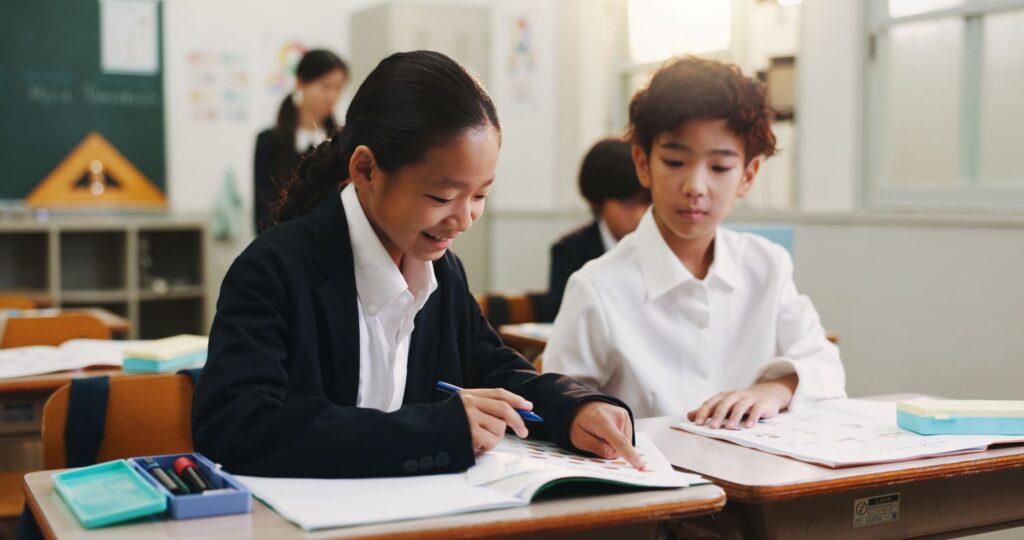
Why Education is a Priceless Investment in a Child’s Personal Growth
Education is often referred to as the cornerstone of personal development and success. For children, the journey of learning goes beyond acquiring knowledge; it shapes their identities, influences their values, and equips them with essential life skills. Investing in a child’s education is one of the most significant contributions parents and society can make towards fostering well-rounded individuals. This article explores the myriad reasons why education is a priceless investment in a child’s personal growth.
1. Foundation of Knowledge and Skills
Core Academic Skills
Education provides children with foundational knowledge in core subjects such as mathematics, science, language arts, and social studies. These subjects are essential for understanding the world and developing critical thinking skills.
Practical Life Skills
Beyond academics, education teaches practical life skills, including:
- Problem-Solving: Students learn to analyze situations, think critically, and devise solutions.
- Communication: Effective communication skills, both written and verbal, are developed through classroom discussions, presentations, and collaborative projects.
- Collaboration: Working in groups fosters teamwork and social skills, preparing children for future interactions in both academic and professional settings.
2. Emotional and Social Development
Building Self-Esteem
Education plays a crucial role in building a child’s self-esteem and confidence. As they learn new concepts and achieve academic milestones, children develop a sense of accomplishment that positively impacts their self-image.
Fostering Relationships
School provides a social environment where children can form friendships, learn to work with others, and navigate social dynamics. These interactions are vital for developing emotional intelligence and empathy.
Coping with Challenges
Education exposes children to various challenges and obstacles, teaching them resilience and perseverance. Learning to cope with setbacks fosters a growth mindset, encouraging children to view failures as opportunities for growth.
3. Exposure to Diverse Perspectives
Cultural Awareness
Education introduces children to diverse cultures, histories, and viewpoints. This exposure fosters open-mindedness and appreciation for diversity, helping them develop a more inclusive worldview.
Critical Thinking
Engaging with different perspectives encourages critical thinking and allows children to question assumptions and form their own opinions. This skill is essential for informed decision-making in adulthood.
4. Lifelong Learning Habits
Instilling Curiosity
A well-rounded education nurtures a love for learning and curiosity about the world. When children are encouraged to explore their interests and ask questions, they develop a lifelong passion for knowledge.
Adaptability
In today’s rapidly changing world, the ability to adapt and learn new skills is crucial. Education teaches children how to learn effectively, preparing them for future challenges and opportunities in an evolving job market.
5. Economic Benefits
Better Career Opportunities
Education significantly impacts future earning potential. Higher levels of education are often associated with better job prospects and higher salaries. By investing in a child’s education, parents are setting them up for a more secure financial future.
Economic Growth
At a societal level, investing in education contributes to economic growth. An educated workforce is more productive and innovative, driving advancements in various industries and improving the overall economy.
6. Health and Well-Being
Connection to Health Outcomes
Research has shown that education is linked to better health outcomes. Educated individuals are more likely to engage in healthy behaviors, access healthcare, and make informed decisions about their well-being.
Mental Health Benefits
Education can also contribute to improved mental health. Engaging in learning and social interactions helps reduce feelings of isolation and anxiety, promoting overall emotional well-being.
7. Support from Family and Community
Parental Involvement
Parents play a crucial role in their child’s educational journey. Encouraging a positive attitude towards learning, participating in school activities, and supporting homework can enhance a child’s educational experience.
Community Resources
Many communities offer resources and programs to support children’s education, including after-school programs, tutoring, and extracurricular activities. Engaging with these resources can further enrich a child’s learning experience.
Conclusion
Investing in a child’s education is one of the most valuable contributions you can make to their personal growth and future success. From building essential knowledge and skills to fostering emotional intelligence and resilience, education lays the groundwork for a fulfilling and prosperous life. As parents, educators, and communities, it is our responsibility to ensure that every child has access to quality education and the support needed to thrive. By recognizing the profound impact of education, we can work together to create a brighter future for the next generation.


