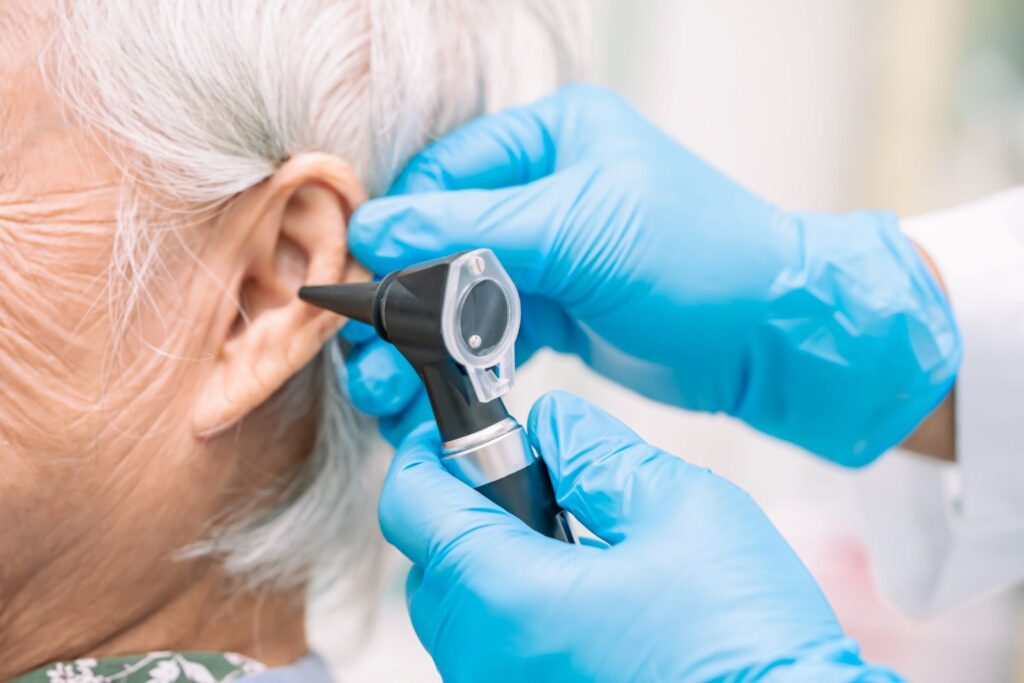
Effective Strategies to Prevent Deafness and Preserve Hearing Health
Hearing health is a vital aspect of overall well-being, yet it is often overlooked until problems arise. With noise pollution on the rise and the prevalence of ear-related issues, it’s crucial to take proactive measures to prevent deafness and preserve hearing health. This guide outlines effective strategies that individuals can adopt to protect their hearing and maintain optimal auditory function throughout their lives.
1. Understand the Causes of Hearing Loss
Noise-Induced Hearing Loss
One of the leading causes of hearing loss is exposure to loud noises. Continuous exposure to sounds above 85 decibels (dB) can damage the delicate hair cells in the inner ear, leading to permanent hearing loss.
Age-Related Hearing Loss
Presbycusis, or age-related hearing loss, is a natural part of aging that affects many individuals as they grow older. It typically involves a gradual loss of hearing, particularly in high-frequency sounds.
Medical Conditions and Medications
Certain medical conditions (like diabetes and hypertension) and some medications (ototoxic drugs) can contribute to hearing loss. Regular check-ups and discussions with healthcare providers can help mitigate these risks.
2. Protect Your Ears from Loud Noises
Use Hearing Protection
When exposed to loud environments, such as concerts, construction sites, or loud machinery, wearing protective gear is essential. Consider the following:
- Earplugs: These can reduce sound levels and are particularly useful in noisy settings.
- Noise-Canceling Headphones: These can help block out background noise, making it easier to enjoy music or podcasts at lower volumes.
Limit Exposure to Loud Sounds
Be mindful of the volume levels of music and other audio. Use the “60/60 rule”: Listen at no more than 60% of the maximum volume for no longer than 60 minutes at a time. Taking breaks can also help protect your hearing.
3. Maintain Healthy Habits
Regular Hearing Check-Ups
Routine hearing assessments are crucial for early detection of hearing loss. Adults should consider having their hearing tested every few years, while children should be screened regularly as part of their healthcare.
Healthy Lifestyle Choices
Maintaining a healthy lifestyle can have a positive impact on hearing health:
- Balanced Diet: Eat a diet rich in vitamins and minerals, particularly those beneficial for ear health, such as vitamins A, C, E, and magnesium. Foods like leafy greens, nuts, fish, and fruits are excellent choices.
- Stay Hydrated: Proper hydration supports overall health, including the health of your ears.
- Avoid Smoking: Smoking has been linked to increased risk of hearing loss. Quitting smoking can improve overall health and potentially protect your hearing.
Manage Chronic Conditions
If you have chronic conditions such as diabetes or hypertension, managing these effectively can help prevent complications that may affect your hearing. Work closely with your healthcare provider to keep these conditions under control.
4. Practice Good Ear Hygiene
Avoid Inserting Objects into the Ear
Inserting objects such as cotton swabs into the ear canal can cause damage to the ear and push wax further in, leading to blockages. Instead, clean the outer ear with a damp cloth and let the ear’s natural cleaning process occur.
Protect Your Ears from Water
Excess moisture can lead to ear infections, which can affect hearing. Use earplugs while swimming or showering to keep water out of the ear canal.
5. Limit Ototoxic Substances
Be Aware of Medications
Certain medications can be ototoxic, meaning they can damage the inner ear and lead to hearing loss. Always consult with your healthcare provider about the potential side effects of any medications you take and discuss alternatives if necessary.
Reduce Alcohol Consumption
Excessive alcohol consumption can negatively impact overall health and may increase the risk of hearing loss. Moderation is key to preserving hearing health.
6. Stay Informed About Hearing Health
Educate Yourself
Stay informed about hearing health through reliable sources. Understanding the signs of hearing loss and the importance of ear health can empower you to take proactive steps.
Advocate for Hearing Conservation
Support initiatives that promote hearing conservation and awareness within your community. Participating in campaigns or discussions about the importance of hearing health can help foster a culture of prevention.
Conclusion
Preventing deafness and preserving hearing health is a vital aspect of overall well-being. By understanding the causes of hearing loss and implementing effective strategies—such as protecting your ears from loud noises, maintaining healthy habits, practicing good ear hygiene, and staying informed—you can significantly reduce your risk of hearing impairment. Prioritizing hearing health not only enhances your quality of life but also allows you to fully engage in the world around you. Don’t wait for signs of hearing loss to take action; embrace these strategies today for a healthier auditory future!


